Independent eyes on your build, before the money leaves your account.
Fixed-fee project management and building advice for homeowners in Chester, the Wirral and North Wales. I check the quotes, the work and the paperwork, and I work for you, not the builder.
- Stage
- 3 of 6: structure and roof
- Claimed by builder
- £18,400
- 1Foundations to engineer's designChecked
- 2Walls to wall plateChecked
- 3Steel beam and padstonesChecked
- 4Roof covering and flashingNot started
Each numbered point on the drawing is checked on site before the payment for that stage is released. If it isn't there, it isn't paid for.
- Fixed feesAgreed in writing before I start
- No commissionFrom builders, trades or suppliers
- SMSTS and Level 7Site and strategic management
- Both sides of the DeeWelsh and English regulations
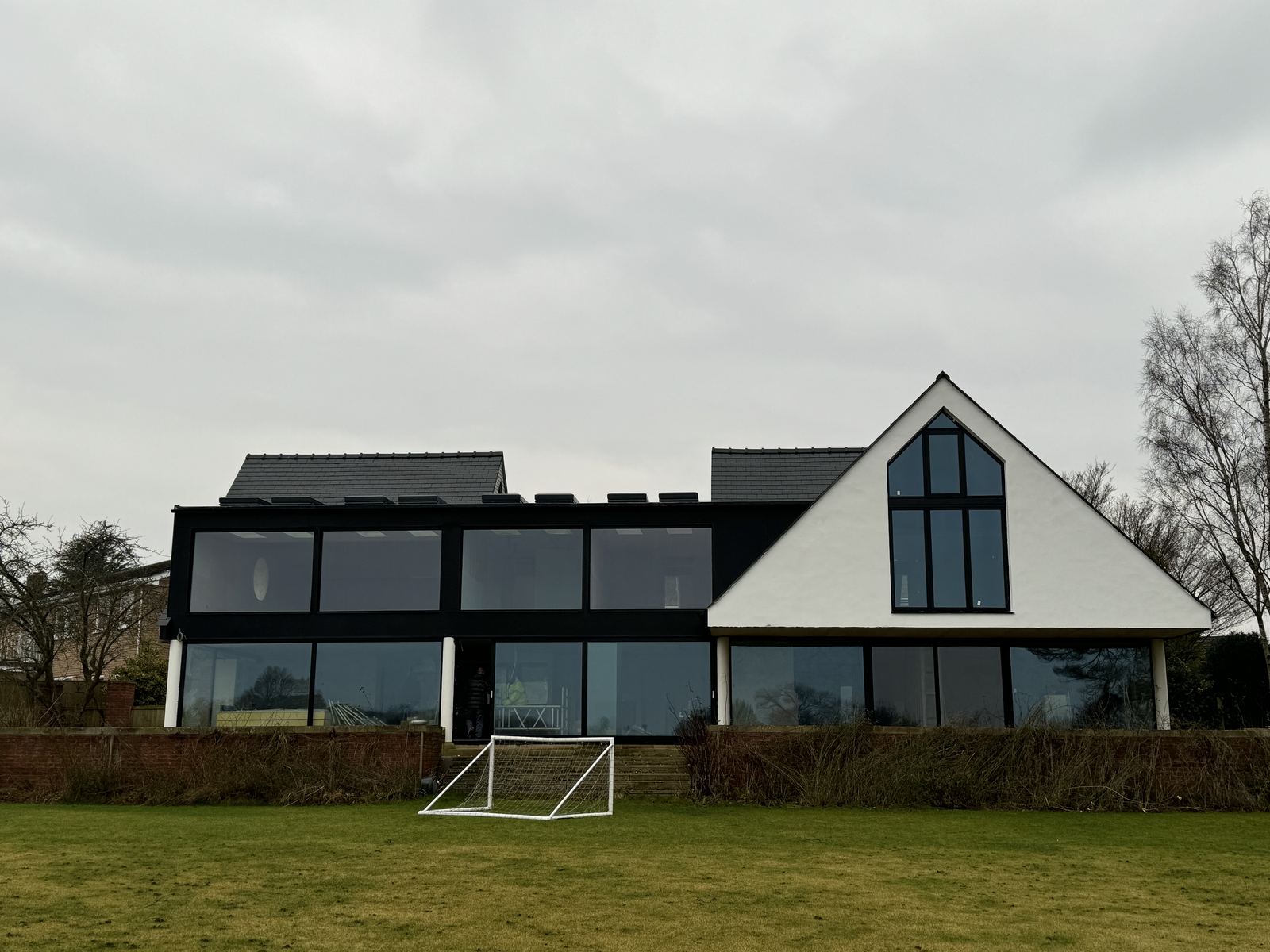
Who's actually on your side?
On most home building projects, everyone has a reason to keep the job moving and the invoices flowing.
The builder's project manager answers to the builder. The architect's work is largely done once the drawings are approved. That leaves you judging workmanship you can't assess and signing off payments you can't check.
I sit on your side of the table. I read the drawings and quotes with a builder's eye, visit site at the stages that matter, and give you a straight answer on what's done, what's missing and what it should cost.
Buy only the help you need
Most clients start with a quote review or a single inspection, then decide whether they want more. Every service is a fixed fee.
Builder quote review
Three quotes that don't line up? I compare them line by line and show you what's been left out.
From £295Stage payment inspections
Before a large payment leaves your account, I confirm on site that the work is there and done properly.
From £350 per visitWales dutyholder set-up
Since July 2026 every Welsh project needs a Principal Designer and Principal Contractor. I set it up correctly.
From £450Stalled project rescue
Builder gone quiet, costs climbing, work not right? An independent audit and a plan to finish.
From £495 auditPre-construction package
Scope, tender, contract and programme set up properly before anyone breaks ground.
From £2,500 fixedFull project management
For larger builds, I represent you from tender to the final snag on one fixed fee.
Fixed fee, quotedYour build, stage by stage
Most home building contracts pay the builder in stages. Each one is a point where work gets covered up and money changes hands, so each one gets checked.
Foundations
Depths, widths and concrete checked against the engineer's design.
Payment 1Walls
Damp-proof course, cavity insulation and wall ties before they're hidden.
Payment 2Structure and roof
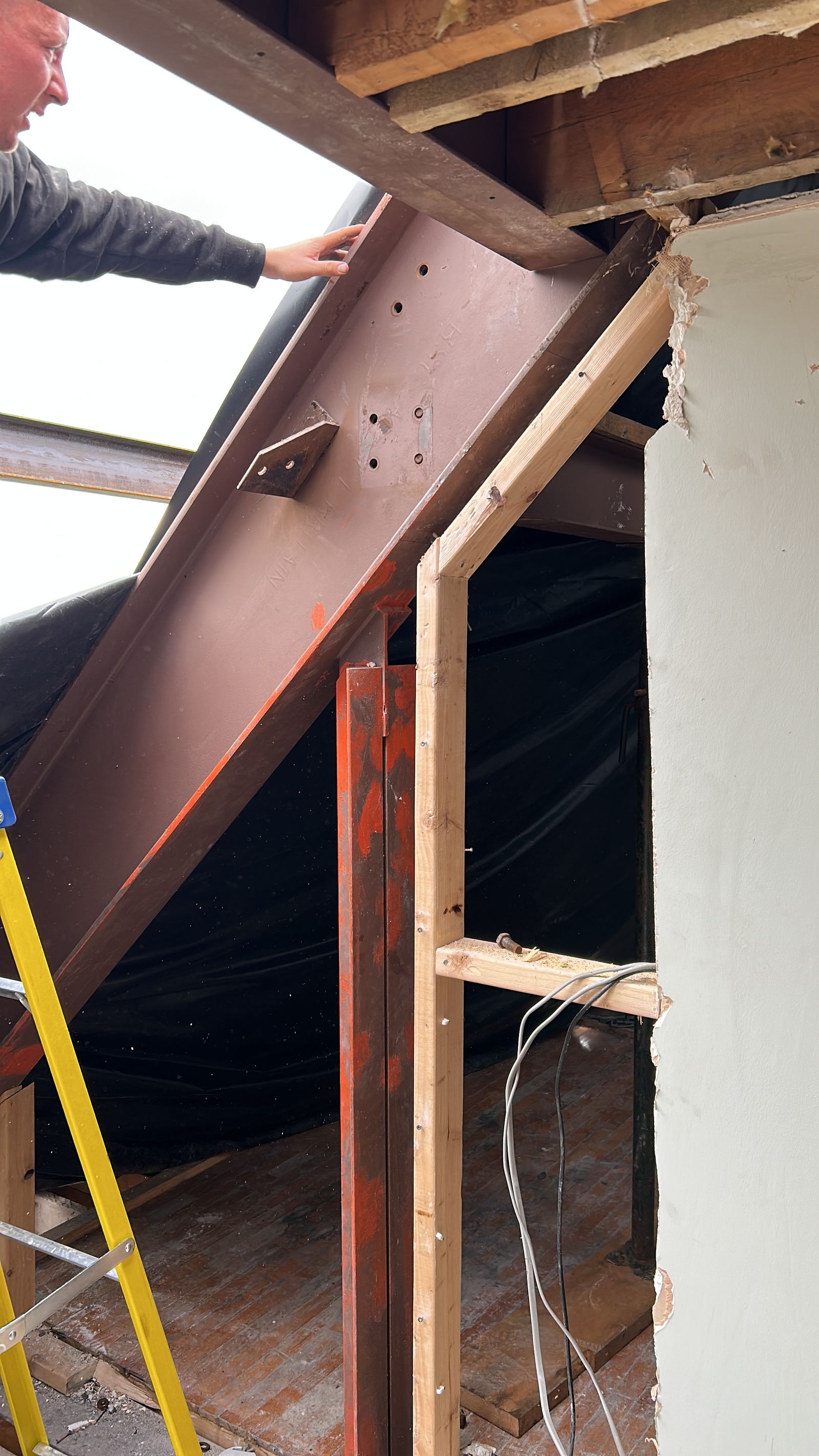
Steels, padstones, rafters, membrane and flashing.
Payment 3First fix
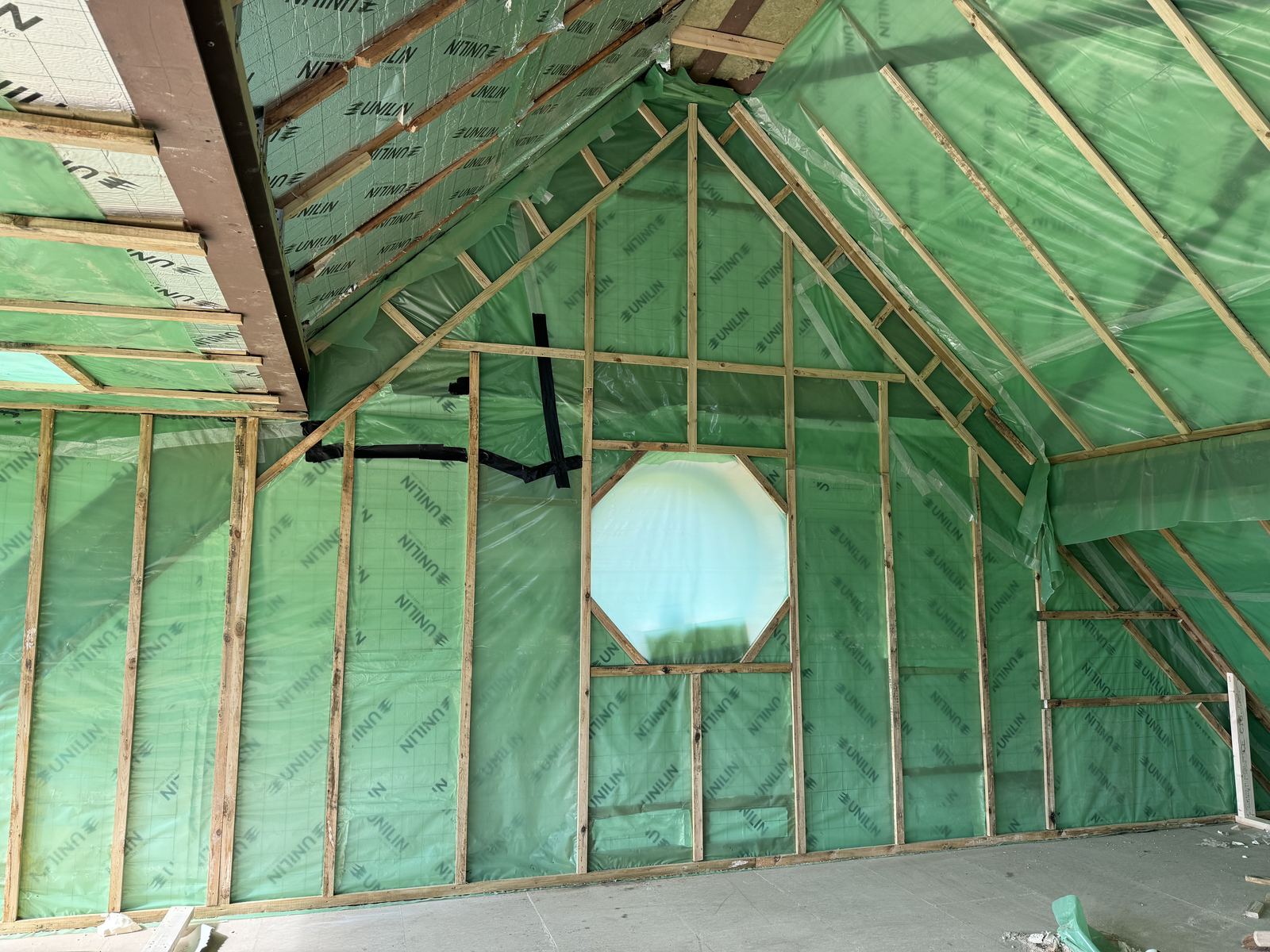
Wiring, pipework and insulation before plasterboard goes on.
Payment 4Finishes
Plaster, second fix, glazing and floors.
Payment 5Handover
Snagging agreed, certificates collected, then retention released.
Final payment
What you'll receive
After every visit, a short written report with photos, where the money stands and exactly what needs doing before the next payment.
You don't need to understand flashing details or padstone bearings. You need to know whether to pay, and if not, what to ask for. That's what the report tells you.
About stage inspections| Contract sum | £148,000 |
| Agreed variations | + £2,350 |
| Paid to date | £61,200 |
| Forecast final cost | £150,350 |
| Programme | On track, 1 week float |
The difference it makes
Managing it alone
- ✕Comparing quotes that don't include the same things
- ✕Paying stage invoices without knowing what's actually done
- ✕Finding workmanship problems after they're plastered over
- ✕Extras agreed verbally on site, then argued about later
- ✕Unsure who holds the legal dutyholder roles
With an independent adviser
- ✓Quotes compared line by line on the same basis
- ✓A written check before every payment
- ✓Key stages inspected before they're covered up
- ✓Every variation priced and agreed in writing first
- ✓Appointments and paperwork set up correctly
Building in Wales? The rules changed in July 2026.
Building work in Wales now needs a named Principal Designer and Principal Contractor, appointed in writing, even on ordinary home extensions.
You're now the client, with legal duties. You can take the roles yourself only if you're confident you're competent and sign a statement saying so. Otherwise you need to appoint competent people and keep the paperwork straight.
What the new rules mean for youBoth sides of the Dee
Chester and the Wirral work under English building regulations; Flintshire, Denbighshire and Wrexham under Welsh ones. Knowing both matters when your builder, your designer or your house sits near the border.
I've built this, not just inspected it
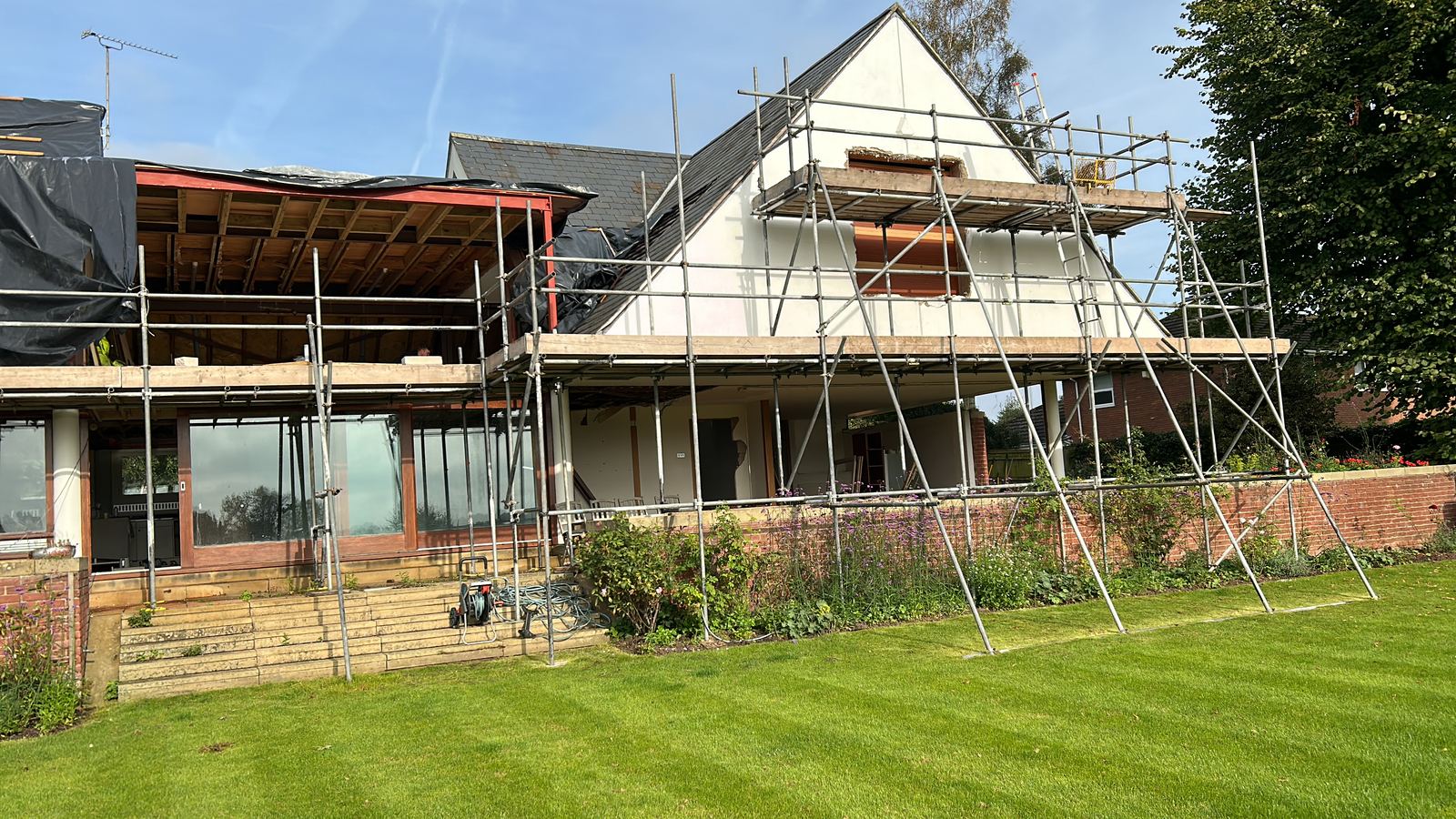
A garden room I designed and built myself, from the drainage and retaining walls to the cedar cladding. That's why I know which stages hide the expensive mistakes.
Common questions
Anything else, ask on a free call.
How is this different from my builder's project manager?
A builder's project manager works for the builder and is paid out of the builder's margin. I'm appointed and paid by you, so my only job is protecting your budget, your programme and the quality of the work.
Why fixed fees instead of a percentage?
A percentage fee quietly rewards the adviser when your costs go up. A fixed fee agreed up front means I gain nothing from a bigger bill, so my advice stays straight.
Do I need you for a small job?
Often not. A single room with one or two trades is usually fine to manage yourself. If that's your situation I'll say so, and a one-off quote review may be all that's worth paying for.
Which areas do you cover?
Chester, the Wirral, Flintshire, Denbighshire and Wrexham. Because the area straddles the border, I work with both the Welsh and English building regulation systems.
Do you take commission from builders or suppliers?
No. I don't take referral fees, commission or discounts from anyone I might recommend or assess.
Not sure what help you need?
Tell me about your project and I'll tell you honestly whether you need me.